
Porcine Circulatory
System Tissues
We can provide the circulatory system tissues listed below according to your specifications, whether you need a large batch or a small, specific quantity. Tissue Source offers a range of rinsing, packaging, and shipping options.
Product Highlights:
- Tissues harvested after order placement to preserve structural and functional integrity
- Hearts, blood vessels, valves, and lymphatic tissues available
- Custom order options include size, quantity, processing, and shipping
What Circulatory Tissues Are Available?
Cardiac Structures
Heart
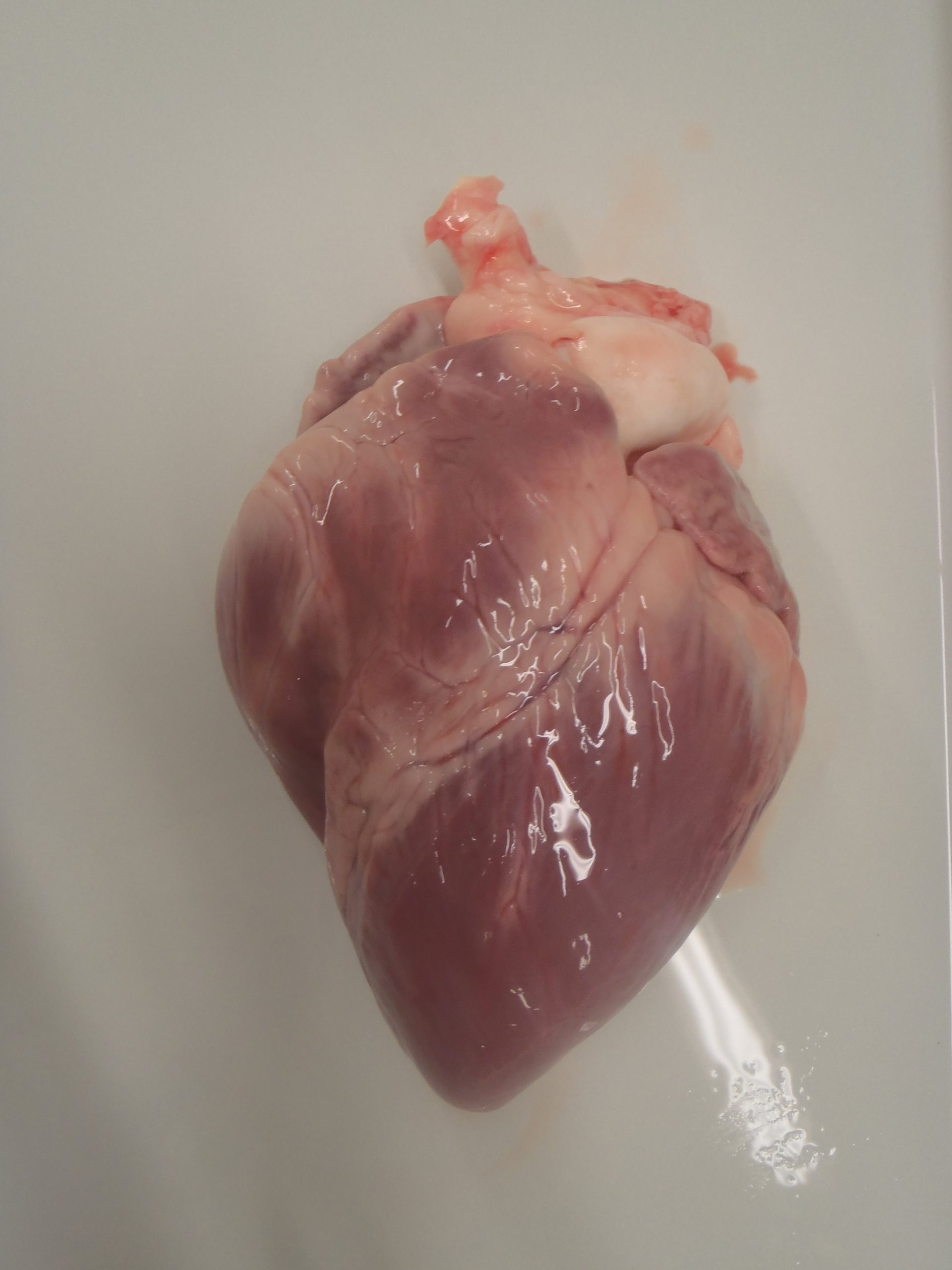
The central muscular organ that pumps blood throughout the body. Porcine hearts match human hearts in chamber structure, valve configuration, and coronary artery distribution. Used in cardiac device testing, valve replacement research, xenotransplantation studies, and surgical training.
Atrium
Upper cardiac chambers that receive blood from the body or lungs before transferring to ventricles. Used in cardiac electrophysiology studies and catheter-based ablation research.
Heart Valves
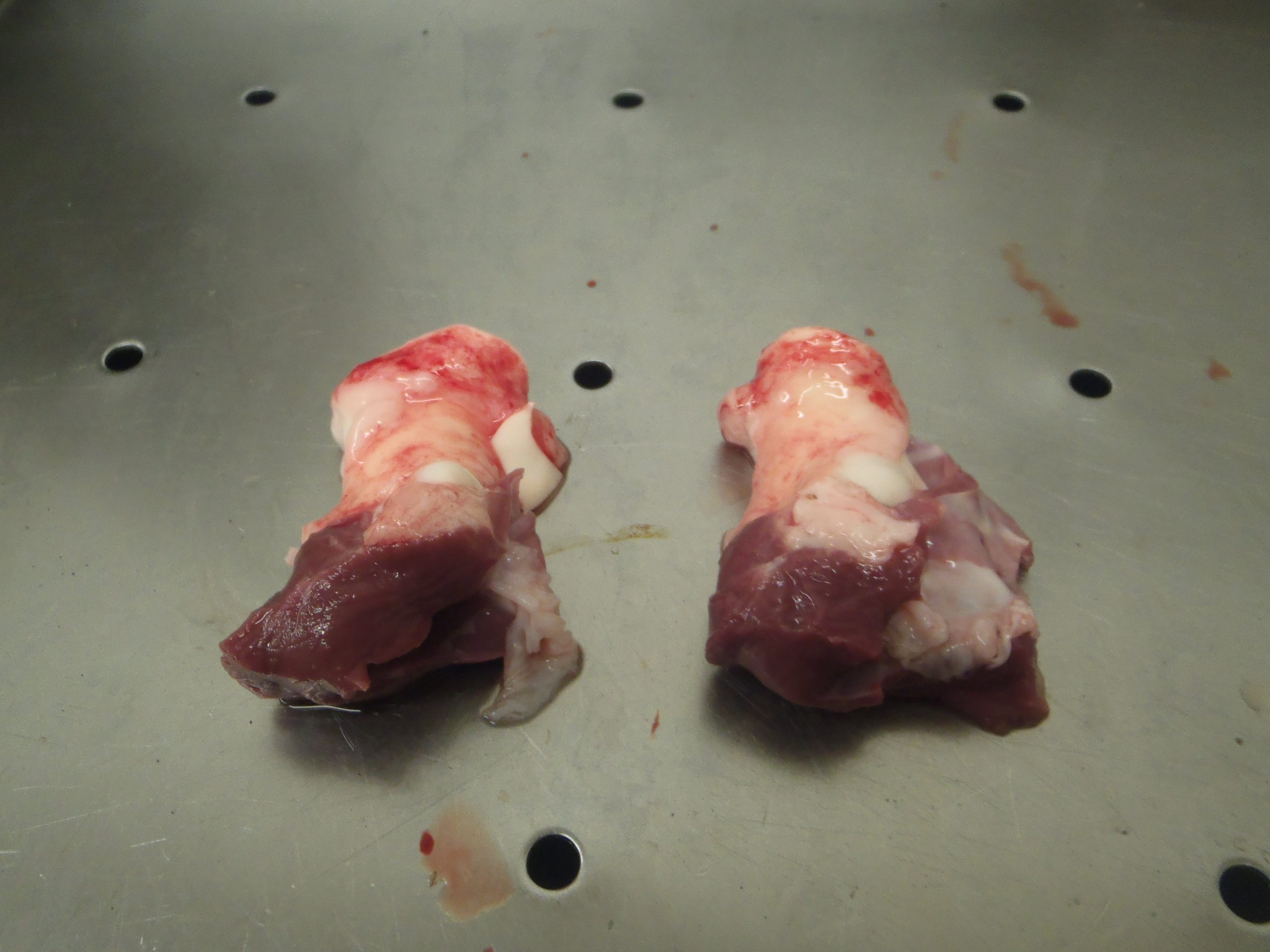
Fibrous structures that regulate unidirectional blood flow within cardiac chambers and between heart and major vessels. Porcine valves (aortic, mitral, tricuspid, pulmonary) closely match human valve size and function, and have been used in biological heart valve replacements since the 1960s.
Blood and Blood Vessels
Arteries
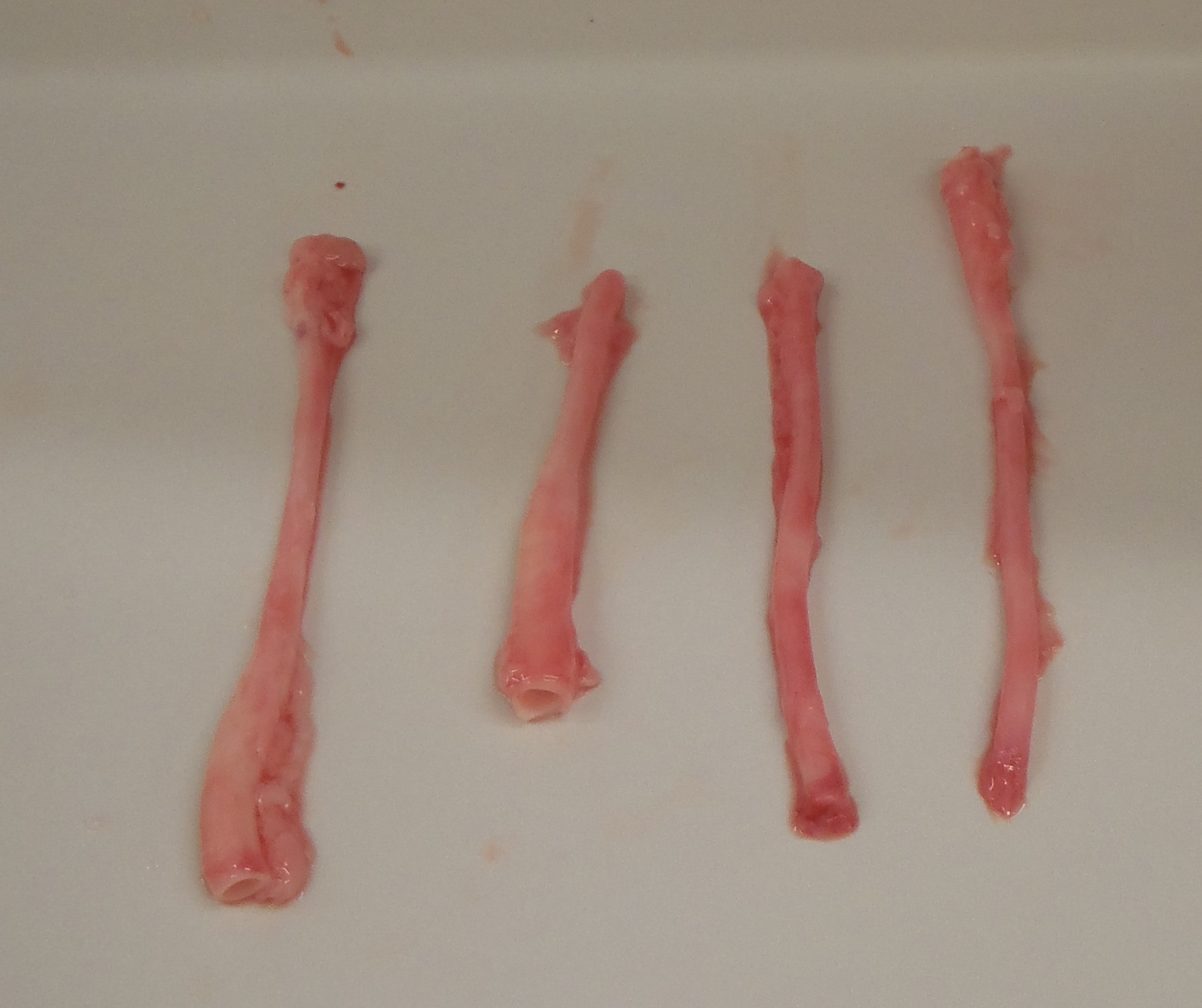
Thick-walled vessels transporting oxygenated blood from heart to tissues under high pressure. Available tissues include porcine aortas, carotid arteries, coronary arteries, and pulmonary arteries. Used in stent development, catheter-based intervention validation, vascular graft testing, and anastomotic connector research.
Veins
Thin-walled vessels returning deoxygenated blood to the heart under lower pressure, equipped with valves preventing backflow. Tissues are available from multiple anatomical locations. Used in venous device testing, valve function studies, and vascular access research.
Blood
Circulating fluid containing oxygen, nutrients, hormones, and waste products. Available as whole blood. Used in biocompatibility testing, coagulation studies, and device hemocompatibility evaluation.
Lymphatic and Immune Structures
Spleen
The largest lymphoid organ that filters, removes damaged red blood cells, and produces lymphocytes. Used in immunology research, hematological studies, and surgical training.
Thoracic Duct
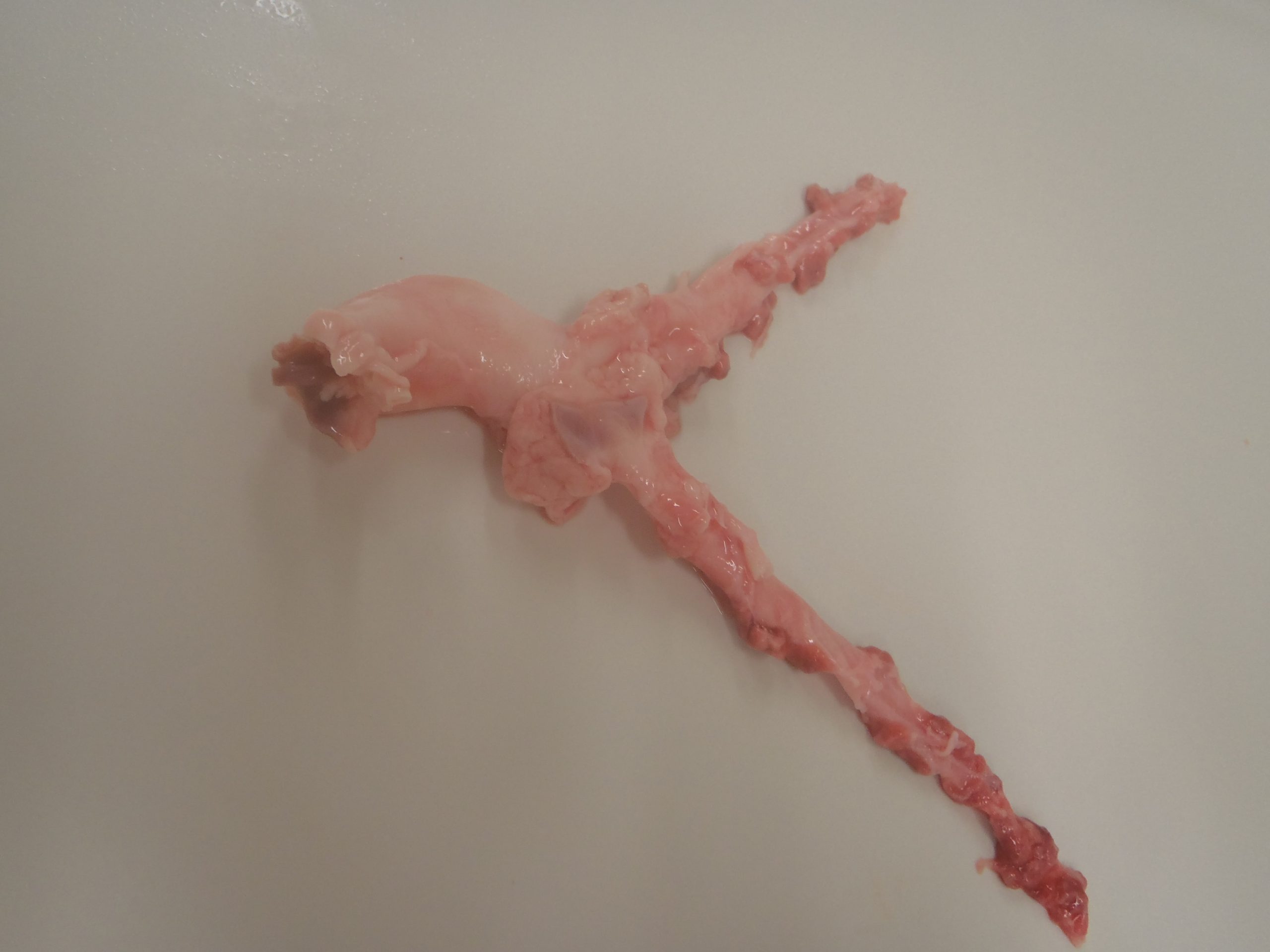
The primary lymphatic vessel that collects lymph from the lower body and left upper body, returning it to venous circulation. Used in lymphatic system research and surgical training.



Common Research Applications of Circulatory Tissues
Cardiovascular Device Testing
Porcine hearts and vessels provide anatomically accurate models for pre-clinical device validation. Chamber dimensions, valve configurations, and coronary artery patterns are similar to their human counterparts, making them ideal for testing pacemakers, defibrillators, cardiac catheters, and ventricular assist devices.
Bioprosthetic Valve Development
Porcine valves and pericardial tissue have been used in cardiac valve replacement since the 1960s. Their size compatibility and hemodynamic properties make them a preferred biological option for many patients. Research applications include valve durability testing, anti-calcification treatment development, and transcatheter aortic valve replacement (TAVR) system validation.
Vascular Surgery Research
Porcine blood vessels support development and testing of vascular surgical techniques. Applications include coronary artery bypass grafting (CABG) procedure development, anastomotic technique training, vascular connector validation, and vessel graft evaluation. Porcine coronary anatomy and injury responses parallel that of humans, making them common models for cardiology research.
Xenotransplantation Research
Genetically modified porcine organs are being investigated for human transplantation. Current research focuses on immune response mitigation, long-term organ function, and reducing organ rejection.
Our Processing and
Quality Standards
Every tissue undergoes quality inspection before packaging. Tissues are harvested from USDA-certified facilities
Our standard preparation includes:
- Documented traceability to source animal, if required
- Compliance with ISO 13485 quality management standards
Tissue Source’s Ordering Process
Step 1: Fill out our tissue specification form or reach out directly with details of your required tissues, size and quantity needed, and preservation preferences.
Step 2: We’ll discuss availability and confirm your final order.
Step 3: Tissues are harvested after animal sacrifice and prepared according to your requirements. They are then packaged and shipped to you.
Step 4: Delivery includes everything you need for documentation: harvest date, source traceability, and quality control records.
Partner With
Tissue Source
Whatever drives your work, we provide specimens that meet medical-grade standards and come with the documentation to prove it.
From individual heart valves for replacement research to complete hearts for device testing, if your work involves porcine cardiovascular tissue, we can supply it. Every shipment includes full traceability and batch-specific quality records that hold up under regulatory review.
Frequently Asked Questions
What blood vessel types and sizes are available?
We supply arteries (aorta, coronary, carotid, pulmonary) and veins from multiple locations. Vessels can be provided intact or sectioned, and with or without side branches. Our team will discuss your specific needs during the ordering process.
What is the difference between porcine and human cardiovascular anatomy?
Porcine hearts closely match human hearts in chamber structure, valve configuration, and coronary artery distribution. The heart-to-body weight ratio and vessel dimensions also approximate human proportions. Primary differences include the left azygous vein in pigs and aortic arch branching variations, which minimally affect research applications if properly considered beforehand.
Can porcine heart valves be used in human patients?
Porcine heart valves have been used in human valve replacement surgery since the 1960s. They offer natural blood flow patterns and require less anticoagulation than mechanical valves. Modern processing techniques improve durability and are particularly suited for transcatheter aortic valve replacement (TAVR) procedures.
Are circulatory tissues suitable for device biocompatibility testing?
Yes. Porcine vessels and cardiac tissues are standard for biocompatibility evaluation. Blood components support hemocompatibility and coagulation studies, while blood vessels and other cardiac tissues enable endothelial response evaluation and implant biocompatibility analysis, among other areas of study.