
Porcine Digestive
System Tissues
We can provide the digestive system tissues listed below according to your specifications, whether you need a large batch or a small, specific quantity. Tissue Source offers a range of rinsing, packaging, and shipping options.
Product Highlights:
- On-demand tissue procurement ensures zero storage degradation
- Complete catalog of gastrointestinal and accessory digestive organs
- Custom options include size, quantity, processing, and shipping
What Specific Digestive Tissues Are Available?
Gastrointestinal (GI) Tract
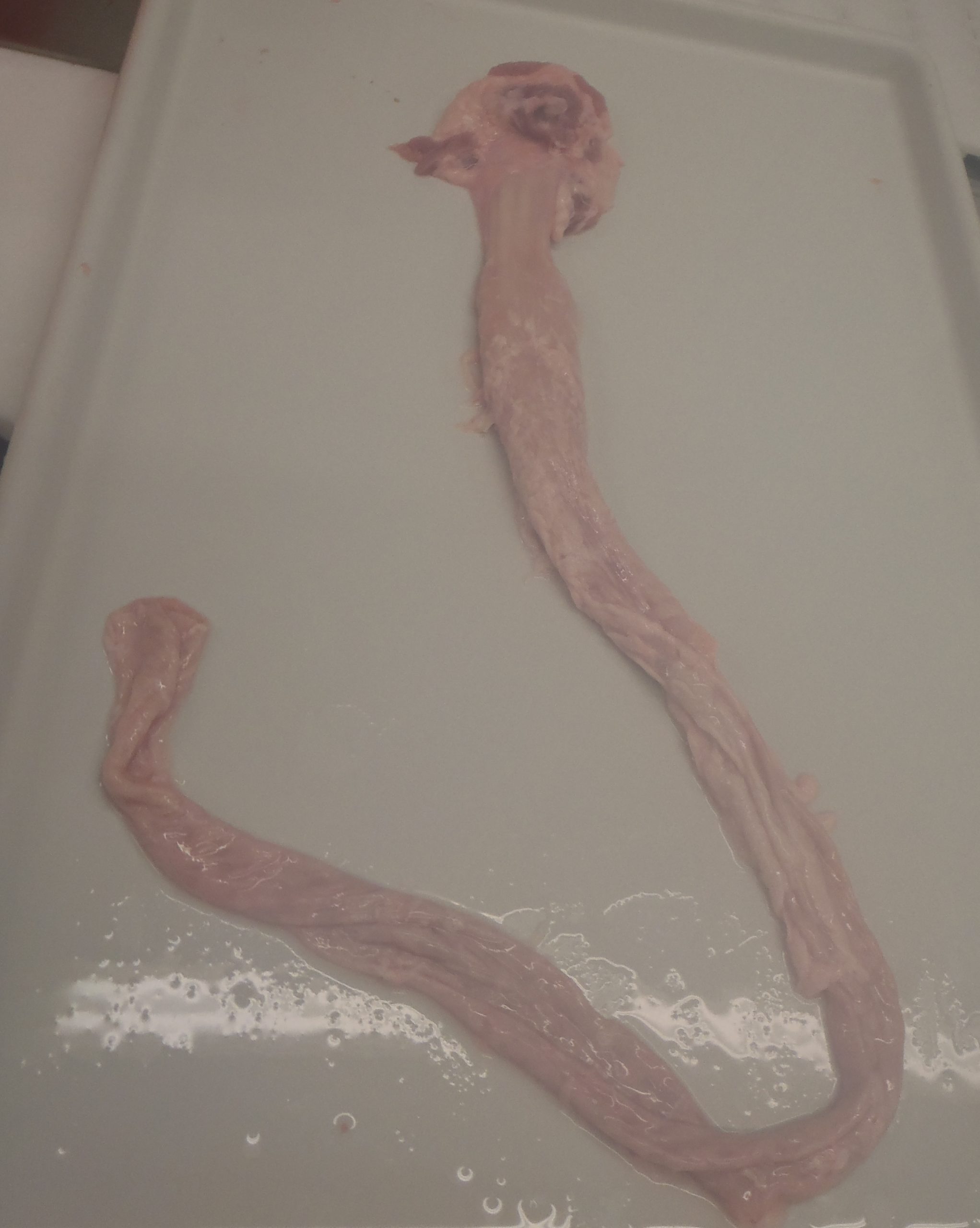
Cecum
The pouch-like beginning of the large intestine where the small intestine empties. Used in microbiome studies and surgical training for appendectomy procedures.
Colon
The main portion of the large intestine responsible for water absorption, electrolyte balance, and waste formation. Used extensively in microbiome research, colonoscopy device testing, and inflammatory bowel disease studies.
Duodenum
The first segment of the small intestine where most chemical digestion occurs through pancreatic enzymes and bile. Essential for drug absorption studies and enteric coating effectiveness testing.
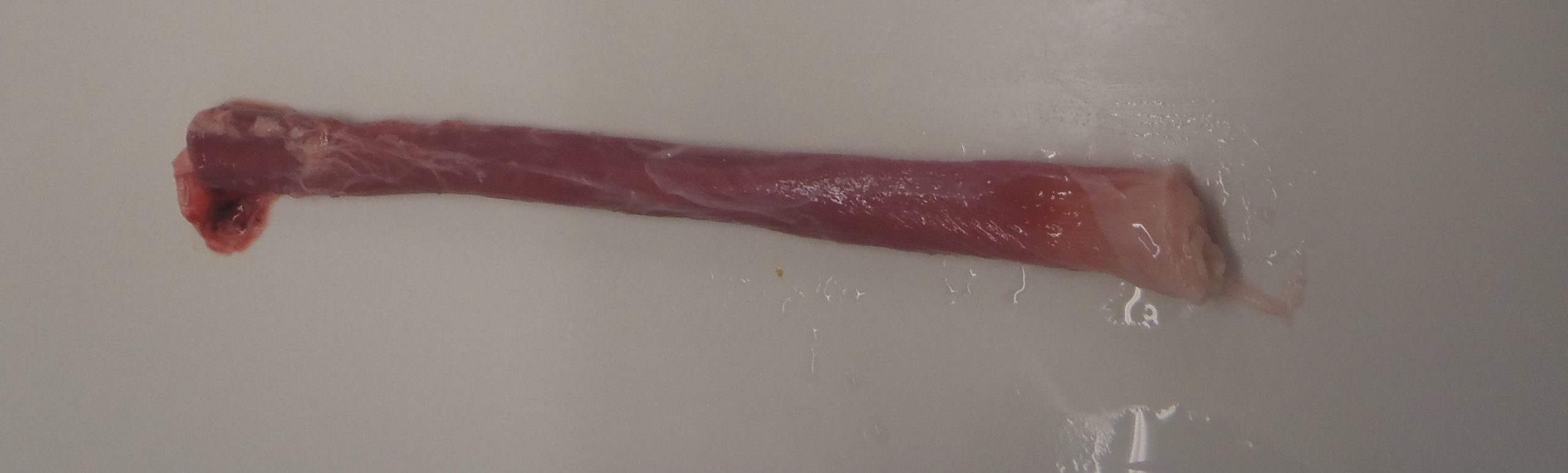
Esophagus
The muscular tube that transports food from the pharynx to the stomach through peristaltic contractions. Used in swallowing mechanism studies, esophageal device testing, and gastrointestinal motility research.
Ileum
The final portion of the small intestine where bile salt absorption (reabsorption of bile acids for recycling) and vitamin B12 absorption occur. Critical for inflammatory bowel disease research and ileostomy device testing.
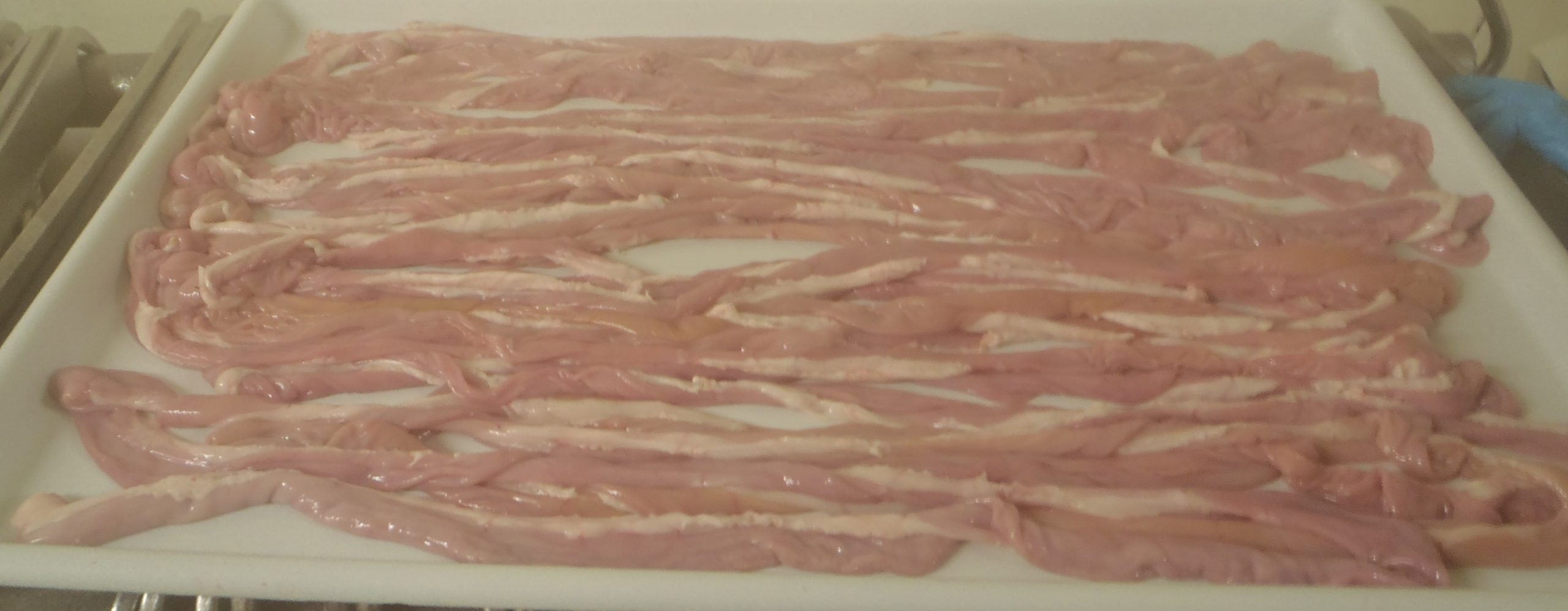
Jejunum
The middle section of the small intestine responsible for nutrient absorption through extensive villi and microvilli. Used extensively in nutrient transport research and enteral feeding device validation.
Rectum
The final portion of the digestive tract that stores feces before elimination. Used in colorectal device testing, surgical training, and drug delivery research.
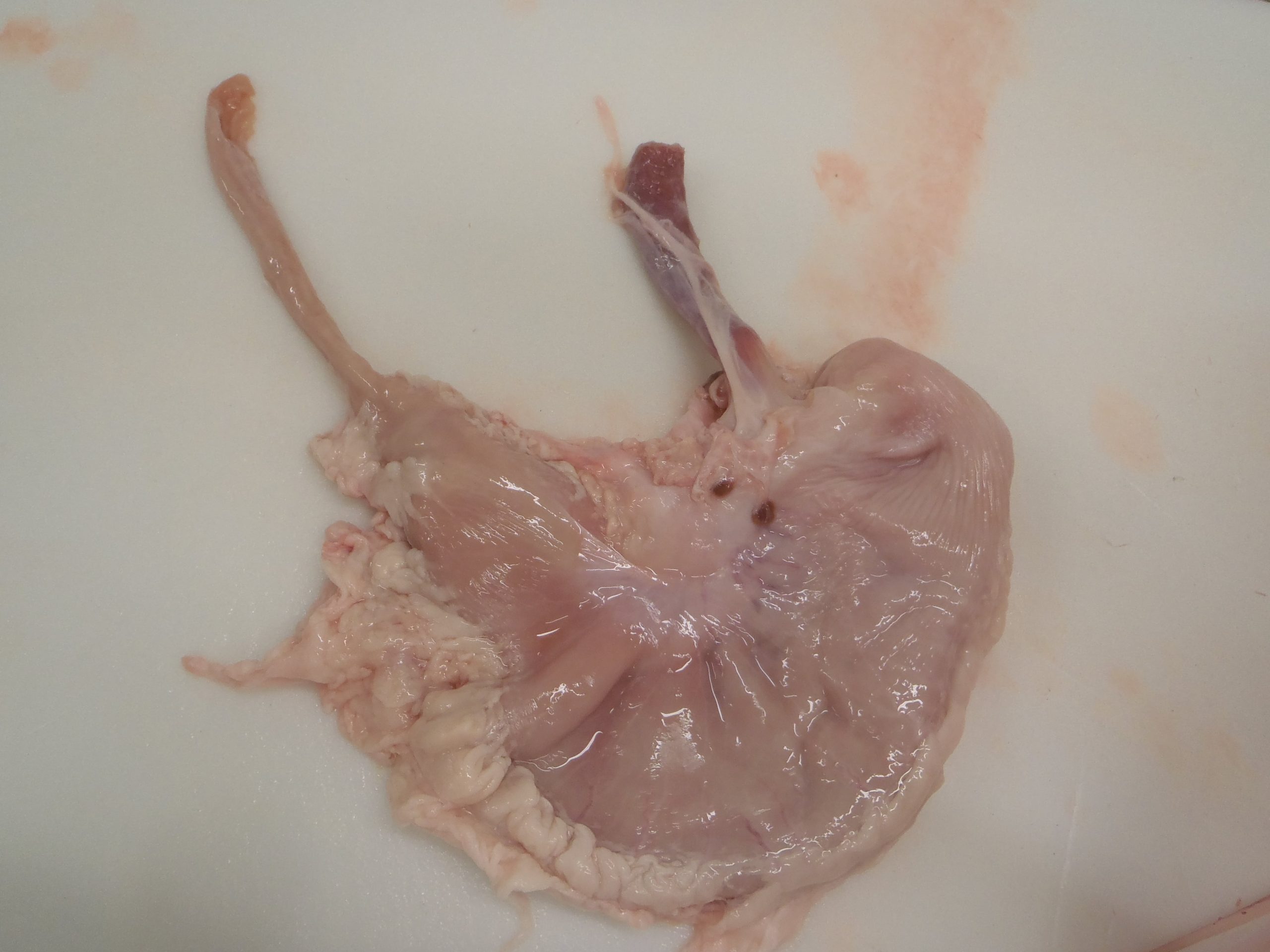
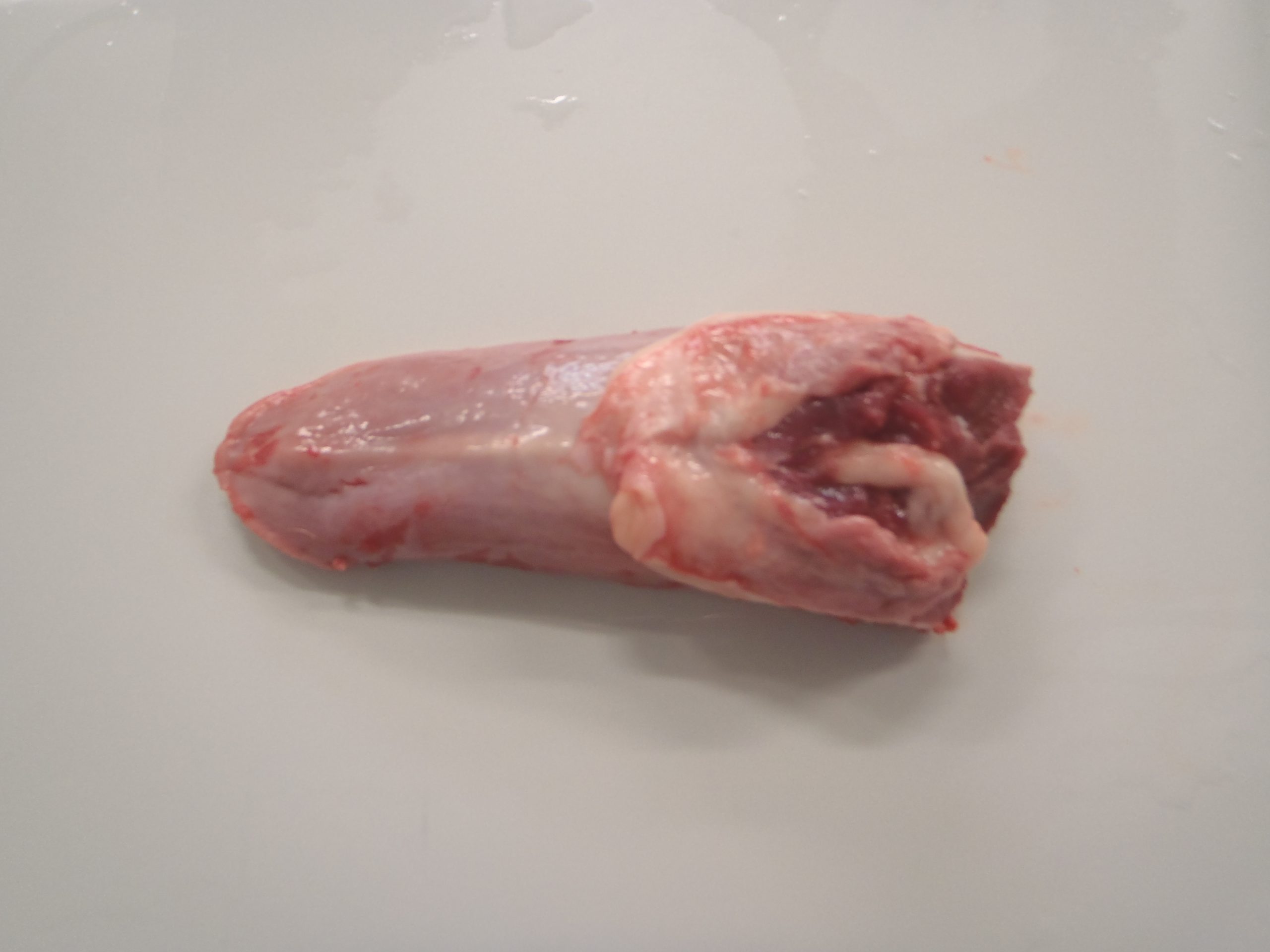
Stomach
A muscular, J-shaped organ that mechanically and chemically digests food through gastric secretions and muscular contractions. Critical for studying digestive enzyme activity, acid secretion, and gastric tissue responses to pharmaceuticals.
Accessory Digestive Organs
Gallbladder
A small, pear-shaped organ that stores and concentrates bile produced by the liver. Used in biliary research, gallstone formation studies, and minimally invasive surgical training.
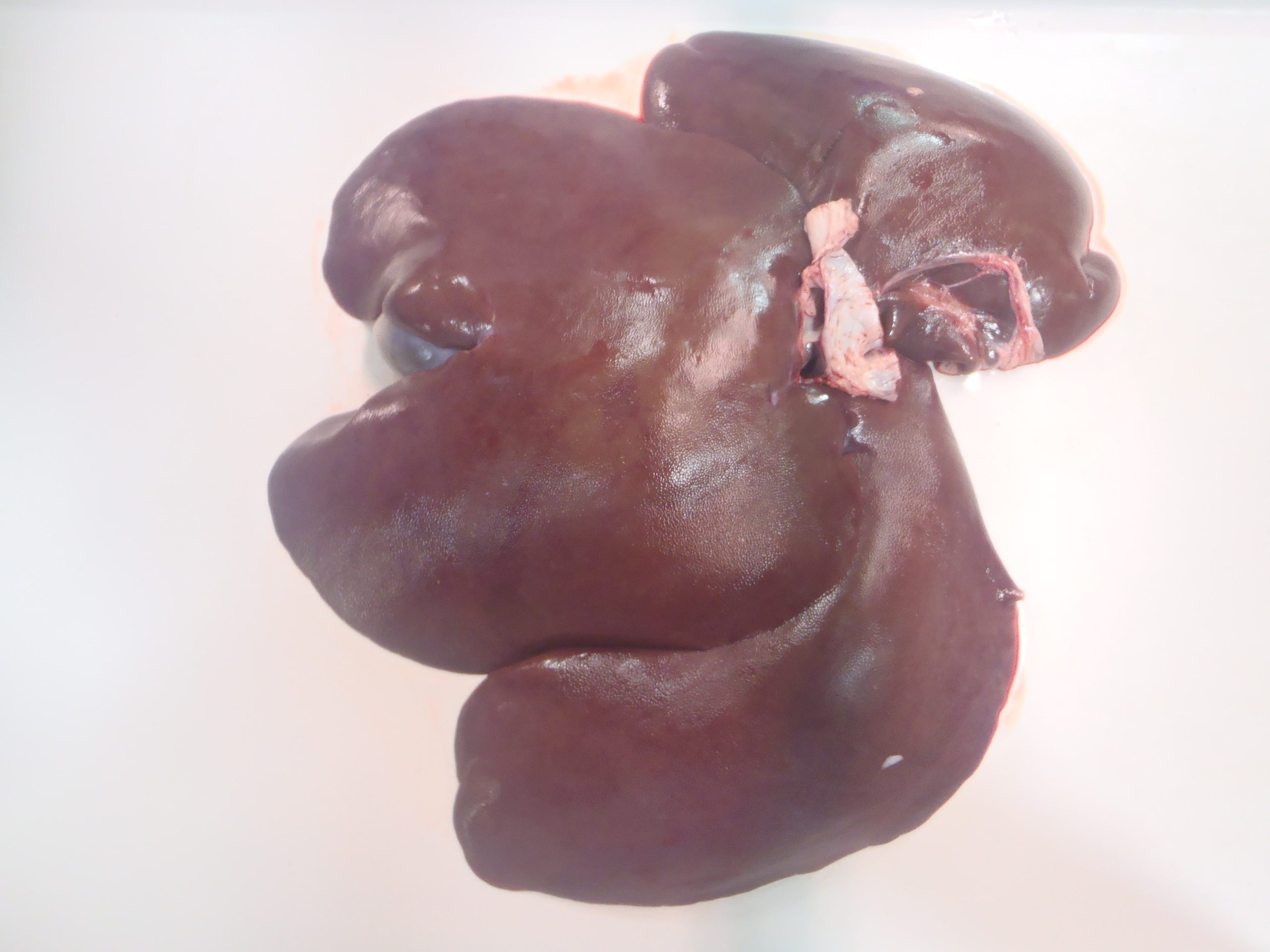
Liver
The largest internal organ responsible for metabolic processing, detoxification, bile production, and nutrient storage. Widely used in toxicology studies, drug metabolism research, and liver disease modeling.
Pancreas
A dual-function gland producing digestive enzymes and hormones (insulin, glucagon) for blood sugar regulation. Critical for diabetes research, enzyme replacement therapy development, and pancreatitis studies.
Peritoneal and Supportive Structures
Peritoneum
A double-layered protective lining (serous membrane that secretes lubricating fluid) that lines the abdominal cavity and surrounds digestive organs. Used in surgical training, peritoneal dialysis research, and adhesion studies.
Mesentery
The membranous fold that attaches the intestines to the abdominal wall and contains blood vessels, nerves, and lymphatics. Essential for vascular access studies and intestinal transplant research.
Omentum
A fatty apron-like structure that connects the stomach to other abdominal organs and provides immune protection. Used in tissue engineering, wound healing studies, and surgical reconstruction research.
Common Research Applications
Medical Device Testing
Swine digestive organs provide anatomically similar models for testing endoscopes, surgical staplers, stents, feeding tubes, and bariatric devices. Porcine tissue thickness, mucosal structure, and vascular patterns closely match human anatomy, making these specimens ideal for pre-clinical validation of gastrointestinal devices.
Pharmaceutical Research
Researchers use intestinal tissue for drug absorption and bioavailability studies, stomach tissue for controlled-release formulation testing, and liver tissue for drug metabolism and toxicology screening. The enzymatic activity and transport mechanisms in porcine digestive tissues closely parallel human physiology.
Academic Training
Medical and veterinary schools utilize these tissues for anatomy education, surgical technique practice (laparoscopy, endoscopy), and gastrointestinal physiology demonstrations. Fresh tissue provides realistic handling characteristics for procedural training.
Microbiome and Immunology Studies
Intestinal segments with intact mucosal layers are valuable for studying gut microbiota interactions, probiotic mechanisms, and intestinal barrier function. The porcine intestinal immune system shares significant structural and functional similarities with human gut-associated lymphoid tissue (GALT).
Our Processing and Quality Standards
Every tissue undergoes quality inspection before packaging. Tissues are harvested from USDA-certified facilities
Our standard preparation includes:
- Documented traceability to source animal, if required
- Compliance with ISO 13485 quality management standards
Tissue Source’s Ordering Process
Step 1: Fill out our tissue specification form or reach out directly with details of your required tissues, size and quantity needed, and preservation preferences.
Step 2: We’ll discuss availability and confirm your final order.
Step 3: Tissues are harvested after animal sacrifice and prepared according to your requirements. They are then packaged and shipped to you.
Step 4: Delivery includes everything you need for documentation: harvest date, source traceability, and quality control records.
Partner With
Tissue Source
Our porcine gastrointestinal models support the validation and testing phases of medical device development, pharmaceutical research, and academic studies. Every tissue sample includes full traceability documentation and batch-specific quality control records to support your regulatory submissions.
Whether you need individual intestinal segments for device prototyping, bulk liver tissue for pharmaceutical screening, or complete digestive system sets for surgical training, we deliver specimens that meet medical-grade standards.
Frequently Asked Questions
What is the difference between porcine and human digestive anatomy?
Porcine digestive systems closely parallel human anatomy in organ size, tissue layers, and physiological function. The primary differences — a spiral colon structure and slightly different stomach compartmentalization — rarely impact device testing or pharmaceutical research applications.
Can these tissues be used for endoscopic device testing?
Yes. Porcine digestive tissues are the industry standard for pre-clinical testing of endoscopes, biopsy forceps, hemostatic clips, and enteral stents. The tissue thickness, mucosal structure, and vascular patterns closely simulate human tissue response.
Are digestive tissues suitable for microbiome research?
Yes. We can provide tissues with intact mucosal layers and preserve native microflora through specialized handling protocols. The porcine intestinal microbiome and tissue architecture (including Peyer’s patches) closely model human intestinal immune function.