
Porcine Musculoskeletal
System Tissues
We can provide the muskuloskeletal system tissues listed below according to your specifications, whether you need a large batch or a small, specific quantity. Tissue Source offers a range of rinsing, packaging, and shipping options.
Product Highlights:
- Harvested after order placement to preserve biomechanical integrity
- Bones, joints, tendons, ligaments, cartilage, and muscle tissues are available
- Custom options from size and number of tissues to packaging and shipping
What Specific Musculoskeletal Tissues Are Available?
Skeletal Components
Bone
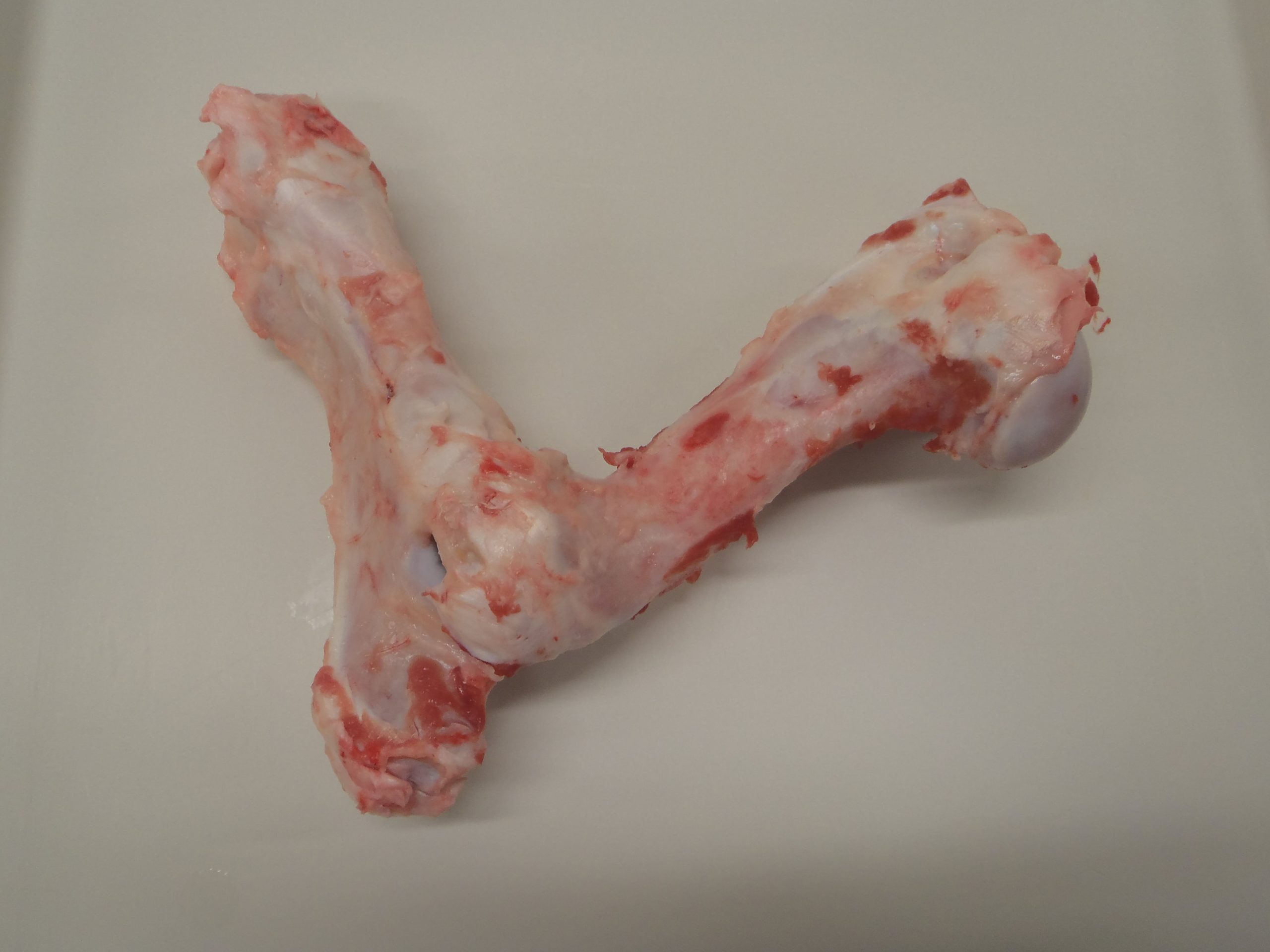
Mineralized tissue that forms the skeletal foundation and houses marrow, anchoring muscles, and shielding vital organs. Our inventory spans the entire porcine skeleton: long bones like femurs and tibias, vertebral columns from neck to tail, flat bones including ribs and sternum, plus specialized elements such as the patella and toe bones.
Cartilage
Cartilage acts as nature's shock absorber — smooth, slippery tissue that prevents grinding and distributes loads across joint surfaces. The layered properties of porcine cartilage replicate that found in human joints, which supports its use in everything from testing cartilage repair techniques to developing next-generation tissue scaffolds.
Muscle
Available from multiple anatomical locations including diaphragm, limb musculature, and specialized muscle groups. Our specimens maintain physiological properties necessary for force generation studies, injury model development, regenerative therapy testing, and tissue engineering applications.
Tail
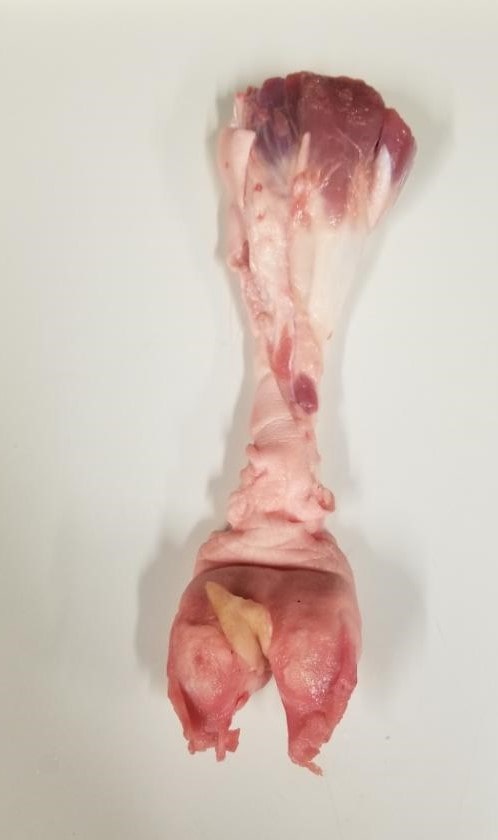
An extension of the vertebral column, composed of bones and muscles, primarily used for balance and communication. Used in spinal biomechanics research, vertebral segment studies, and surgical training for minimally invasive spinal procedures.
Vertebral Segments
Whether you need cervical, thoracic, or lumbar sections, we can customize tissues to your needs. Vertebral segments are often used by spinal implant manufacturers, disc degeneration researchers, and surgical training programs.
Connective Tissue Components
Tendons
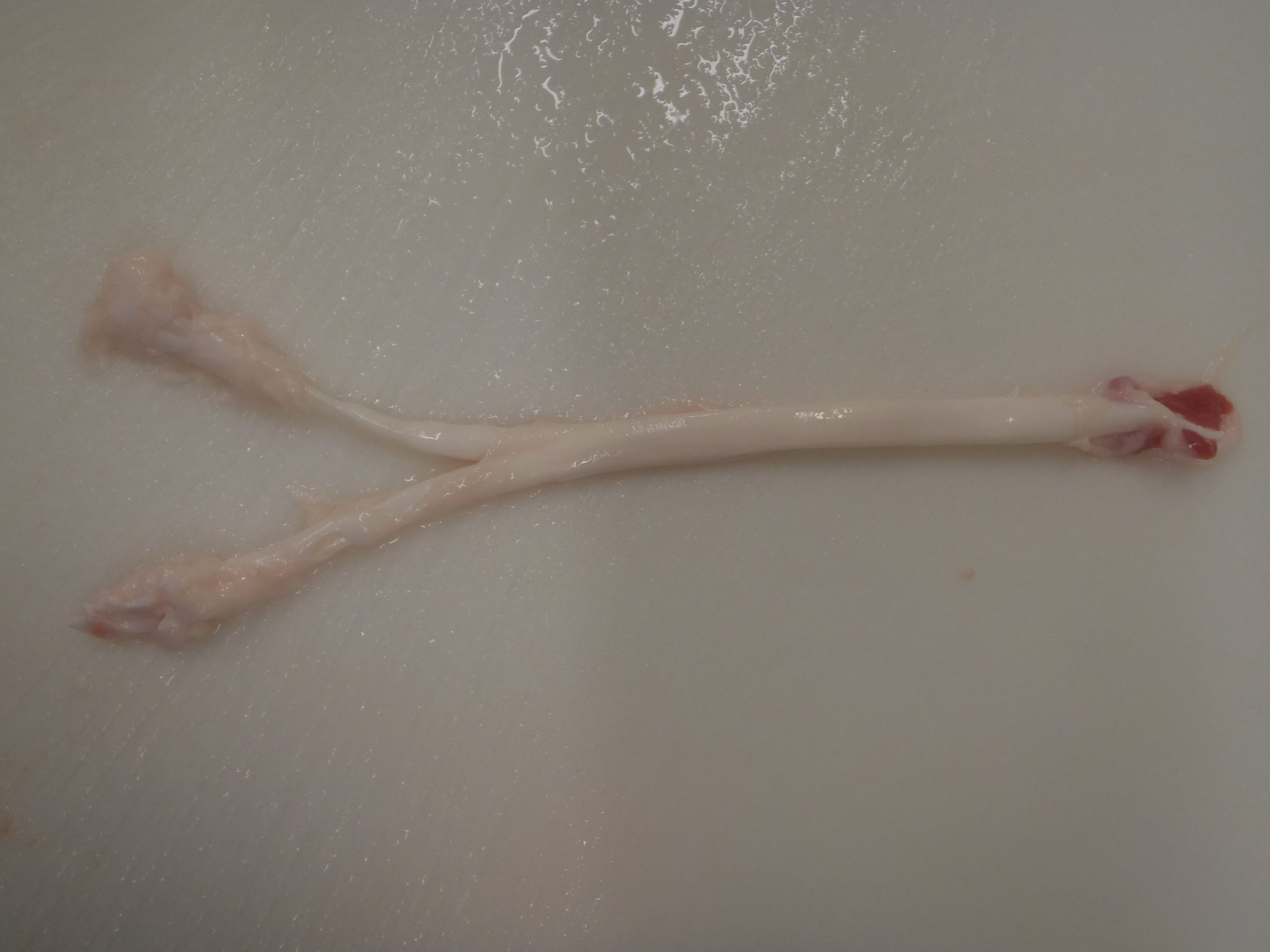
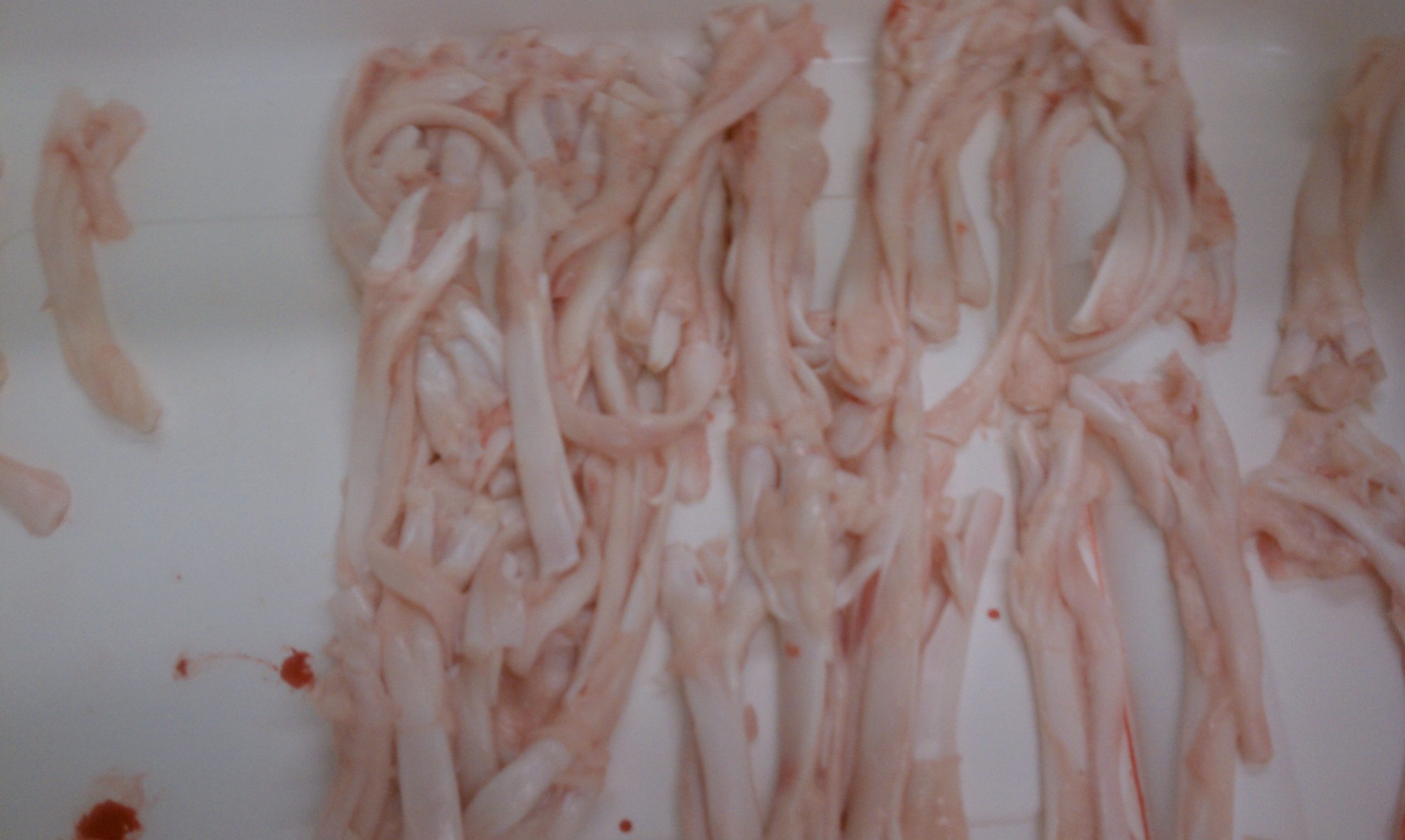
Fibrous connective tissues that transmit muscular force to skeletal attachment points, enabling controlled joint motion. Available specimens include digital flexor tendons, Achilles tendons from posterior limbs, patellar tendons, and rotator cuff tendon complexes. Applications include suture anchor testing, tissue engineering scaffold development, and arthroscopic repair technique training.
Meniscus
Porcine menisci demonstrate significant correspondence with human anatomical parameters. Applications include tear pattern modeling, repair technique development, arthroscopic instrument testing, and healing mechanism investigation.
Joint Complexes
Knee
Available as isolated specimens or with intact musculature. Primary applications include total knee arthroplasty device validation, arthroscopic training, ACL reconstruction technique development, and biomechanical analysis.
Leg(s)
Complete limb containing femur, tibia, fibula, patella, hip/knee/ankle joints, musculature, tendons, and ligaments, or sectioned according to your needs. Used in joint replacement device validation, fracture fixation testing, limb biomechanics analysis, and surgical training.
Foot
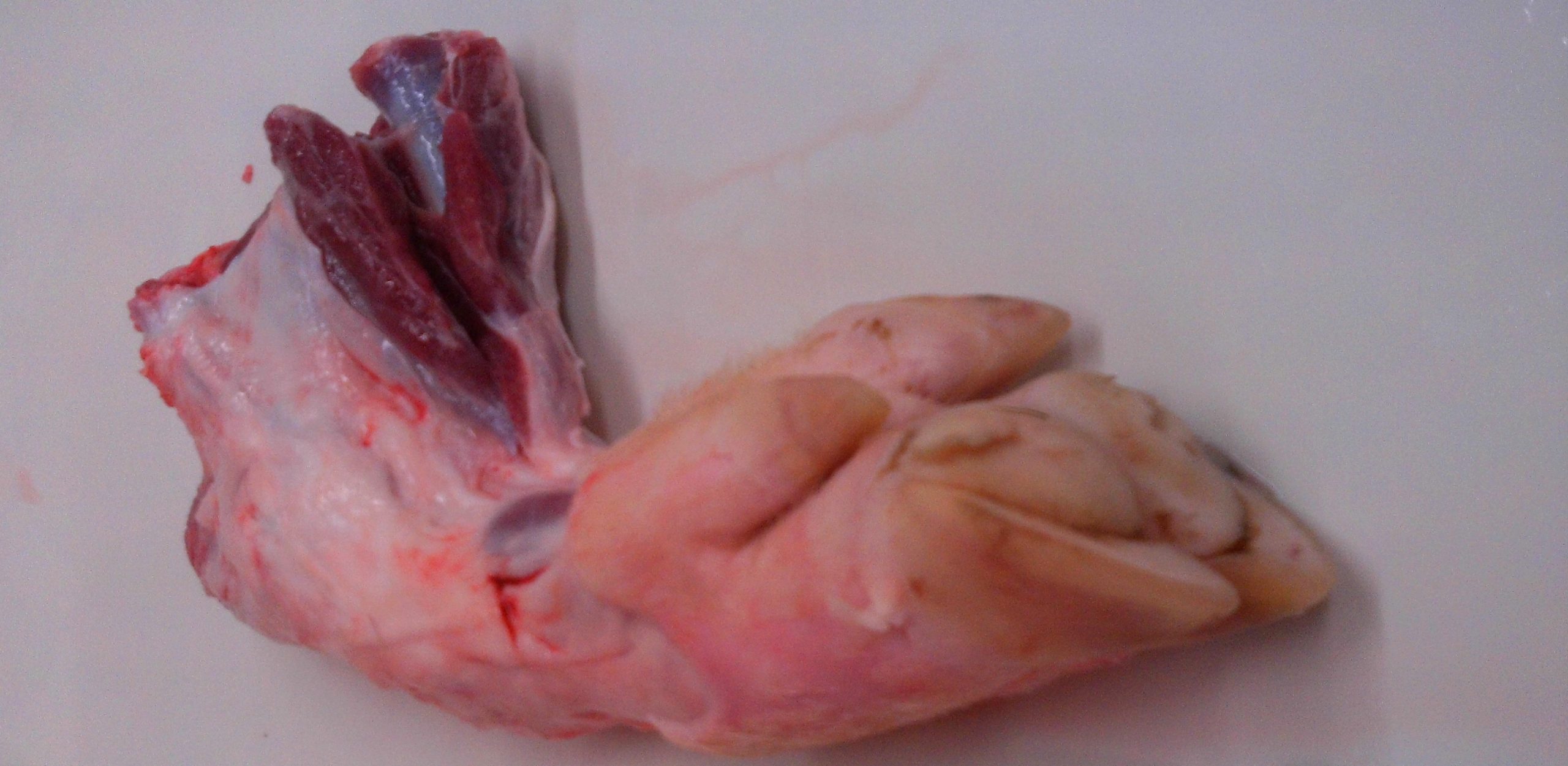
Distal limb extremity containing phalanges, metatarsals, tarsal bones, intrinsic and extrinsic musculature, tendons, ligaments, and integumentary structures. Provides anatomically accurate model for surgical instrument evaluation, tendon repair technique training, and small-bone fracture fixation testing.


Common Research Applications of Musculoskeletal Tissue
Orthopedic Device Testing
Before a new joint replacement technique reaches surgery or a fracture plate gets regulatory clearance, it faces trials in tissue that behaves like the human body. Porcine specimens deliver that biomechanical authenticity — bone density that resists screws, cartilage that responds to implant surfaces the way patients’ joints will, and ligaments that stress-test surgical anchors under physiological loads. Medical device manufacturers building knees, spines, shoulders, or trauma hardware rely on this anatomical fidelity to predict clinical performance.
Tissue Engineering and Regenerative Medicine
Biological responses of porcine tissue — cell migration, matrix remodeling, vascular ingrowth — mirror what happens in human repair processes. This allows studies in a variety of fields, such as how implants osseointegrate, or how ligament grafts remodel into functional tissue that can handle an athlete’s demands.
Surgical Training and Education
Porcine musculoskeletal tissues provide cost-effective alternatives to human cadavers for surgical education. Porcine tissue handling characteristics, including bone density response to instrumentation and soft tissue suture-holding capacity, replicate human tissue properties necessary for developing procedural competency.
Biomechanical Research
Porcine tissues enable reliable analysis of tissue mechanical properties including failure loads, stress distribution patterns, and energy absorption characteristics. Testing applications include ligament rupture mechanics, meniscal load distribution, and cartilage deformation behavior under physiological loading conditions. Data obtained from porcine tissue testing informs fields such as surgical technique optimization and orthopedic implant design development.
Our Processing and
Quality Standards
Every tissue undergoes quality inspection before packaging. Tissues are harvested from USDA-certified facilities
Our standard preparation includes:
- Documented traceability to source animal, if required
- Compliance with ISO 13485 quality management standards
Tissue Source’s Ordering Process
Step 1: Fill out our tissue specification form or reach out directly with details of your required tissues, size and quantity needed, and preservation preferences.
Step 2: We’ll discuss availability and confirm your final order.
Step 3: Tissues are harvested after animal sacrifice and prepared according to your requirements. They are then packaged and shipped to you.
Step 4: Delivery includes everything you need for documentation: harvest date, source traceability, and quality control records.
Partner With
Tissue Source
Developing an orthopedic device? Training the next generation of surgeons? Whatever drives your work, we’ll supply you with medical-grade specimens that you can count on for peak quality and reliable availability.
From single femurs for prototype testing to bulk cartilage orders for pharmaceutical screening, you need porcine musculoskeletal tissues of any kind, we can supply it. Every shipment includes full traceability and batch-specific quality records that hold up under regulatory review.
Frequently Asked Questions
What is the difference between porcine and human musculoskeletal anatomy?
Porcine musculoskeletal anatomy is structurally and biomechanically similar to human tissue; bone mineral density, cartilage stratification patterns, and ligament insertion site geometry all exhibit strong interspecies similarity. The primary differences stem from quadrupedal versus bipedal skeletal loading mechanics and variations in joint angulation. However, these differences have a minimal effect on translational research for device testing, biomechanical analysis, or surgical training protocols.
Can these tissues be used for arthroscopic surgical training?
Porcine joints are a preferred anatomical model for arthroscopic surgical education and device validation. Joint space dimensions accommodate standard arthroscopic instrumentation, while cartilaginous surfaces and meniscal tissues exhibit optical and mechanical properties analogous to human tissue.
What bone types and sizes are available?
Our inventory encompasses the complete porcine skeletal system. Long bones (femur, tibia, humerus, radius, ulna, fibula) can be provided with intact articular surfaces or sectioned according to experimental requirements. Axial skeleton components include vertebrae from cervical, thoracic, lumbar, and caudal regions, and flat bones (ribs, sternum), pelvic structures, sesamoid bones (patella), and phalanges are also available.
Are tendons and ligaments available separately or only as part of joint complexes?
Both isolated connective tissue specimens and integrated joint assemblies are available. Individual tendons (flexor, Achilles, patellar) and discrete ligaments (ACL, PCL, collateral ligaments) can be supplied with preserved bony insertion sites for focused biomechanical or reconstruction research. We tailor our tissues to align with your specific requirements.