
Porcine Respiratory
System Tissues
We can provide the respiratory system tissues listed below according to your specifications, whether you need a large batch or a small, specific quantity. Tissue Source offers a range of rinsing, packaging, and shipping options.
Product Highlights:
- On-demand harvesting ensures maximum tissue freshness
- Complete range of respiratory tissues available for research applications
- Custom options include size, quantity, processing, and shipping
What Respiratory Tissues Do We Have Available?
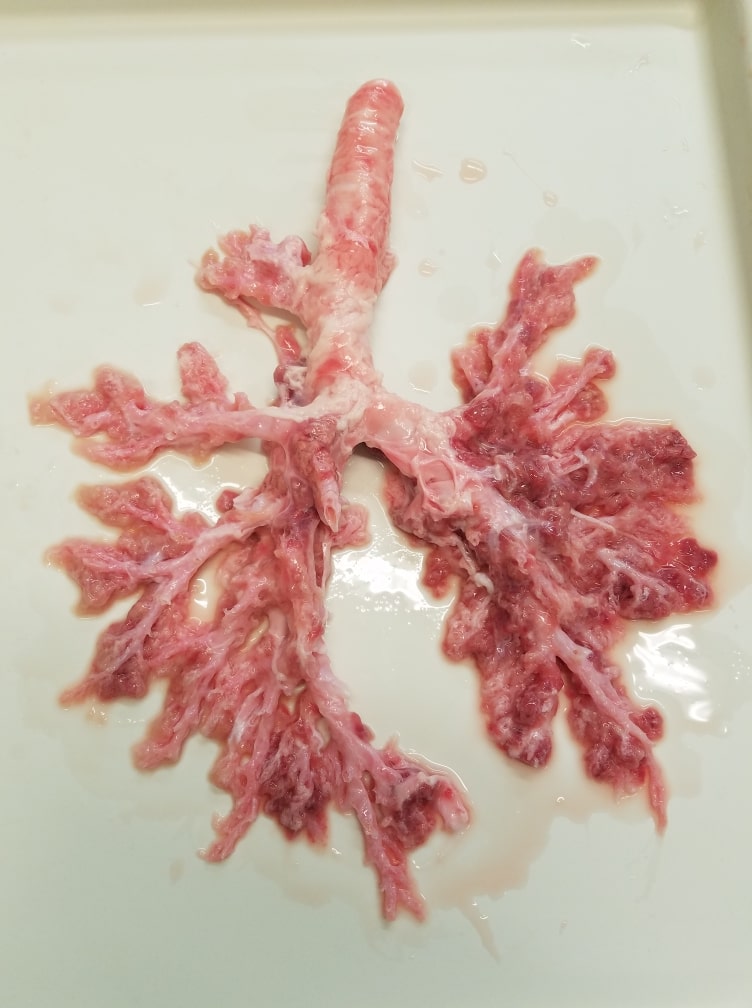
Alveoli
Microscopic air sacs within the lungs where oxygen and carbon dioxide exchange occurs between the respiratory system and bloodstream. Critical for studying gas exchange mechanisms and pulmonary disease models.
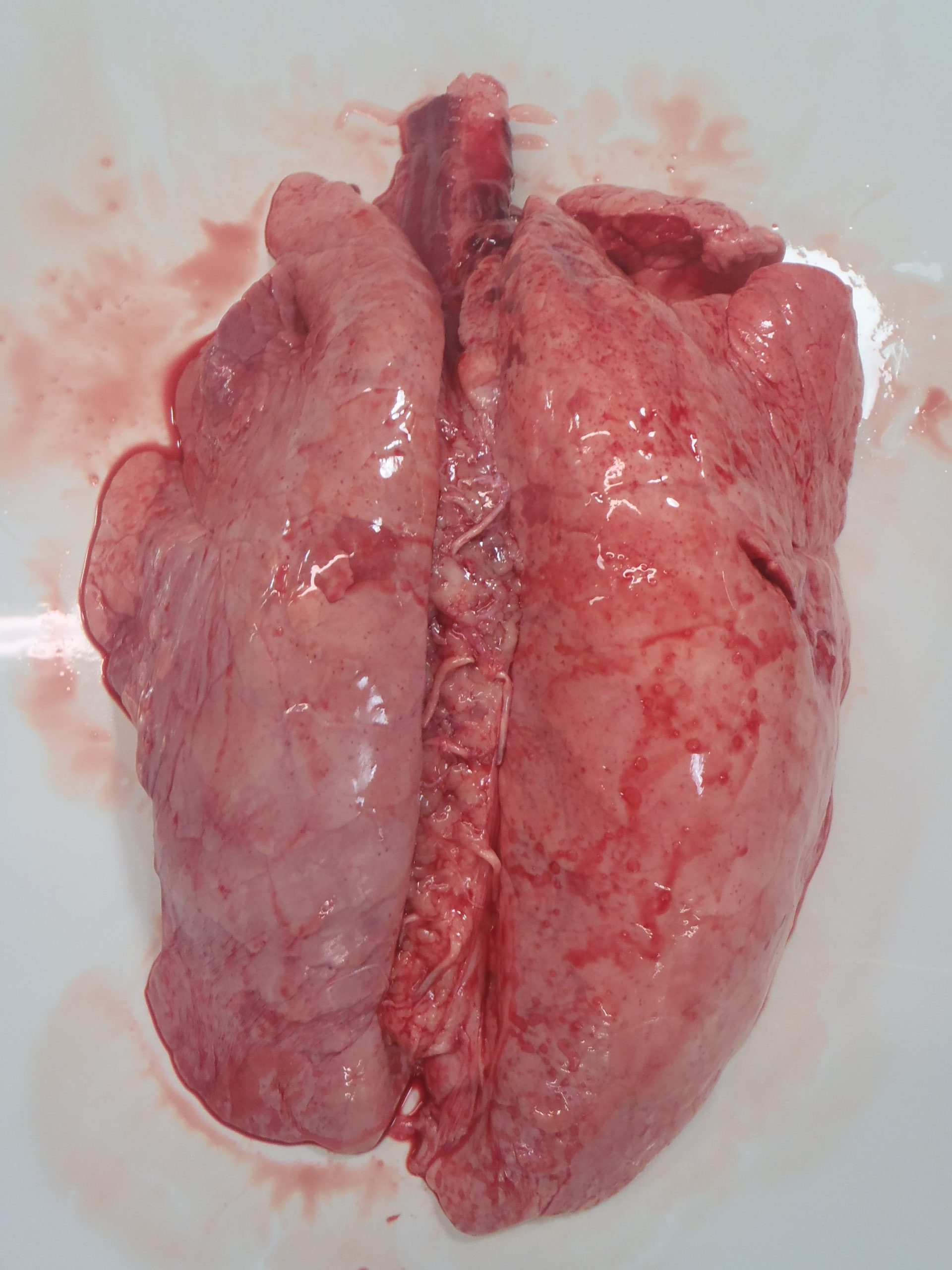
Lungs
Paired respiratory organs that facilitate gas exchange, oxygenating blood and expelling carbon dioxide through alveolar structures. Used extensively in transplant research, ventilation studies, and pharmaceutical testing.
Larynx
The organ in the upper trachea responsible for vocal sound production, airway passage regulation, and protecting lower airways during swallowing.
Nasal Septum
The cartilaginous and bony structure that divides the nasal cavity into two passages, regulating airflow and supporting the external nose.
Nasal Epithelium
Specialized tissue lining the nasal cavity that humidifies, filters, and warms inhaled air before it reaches the lungs. Essential for studying respiratory protection mechanisms and drug delivery systems.
Nasopharynx
The upper pharynx that connects the nasal cavity to the oropharynx, serving as the primary passageway for inhaled air from the nose.
Olfactory Bulb
A neural structure in the forebrain that processes smell signals received from the nasal cavity. Used in neuroscience research and sensory studies.
Oropharynx
The portion of the pharynx behind the oral cavity, serving as a passageway for both respiratory and digestive systems.
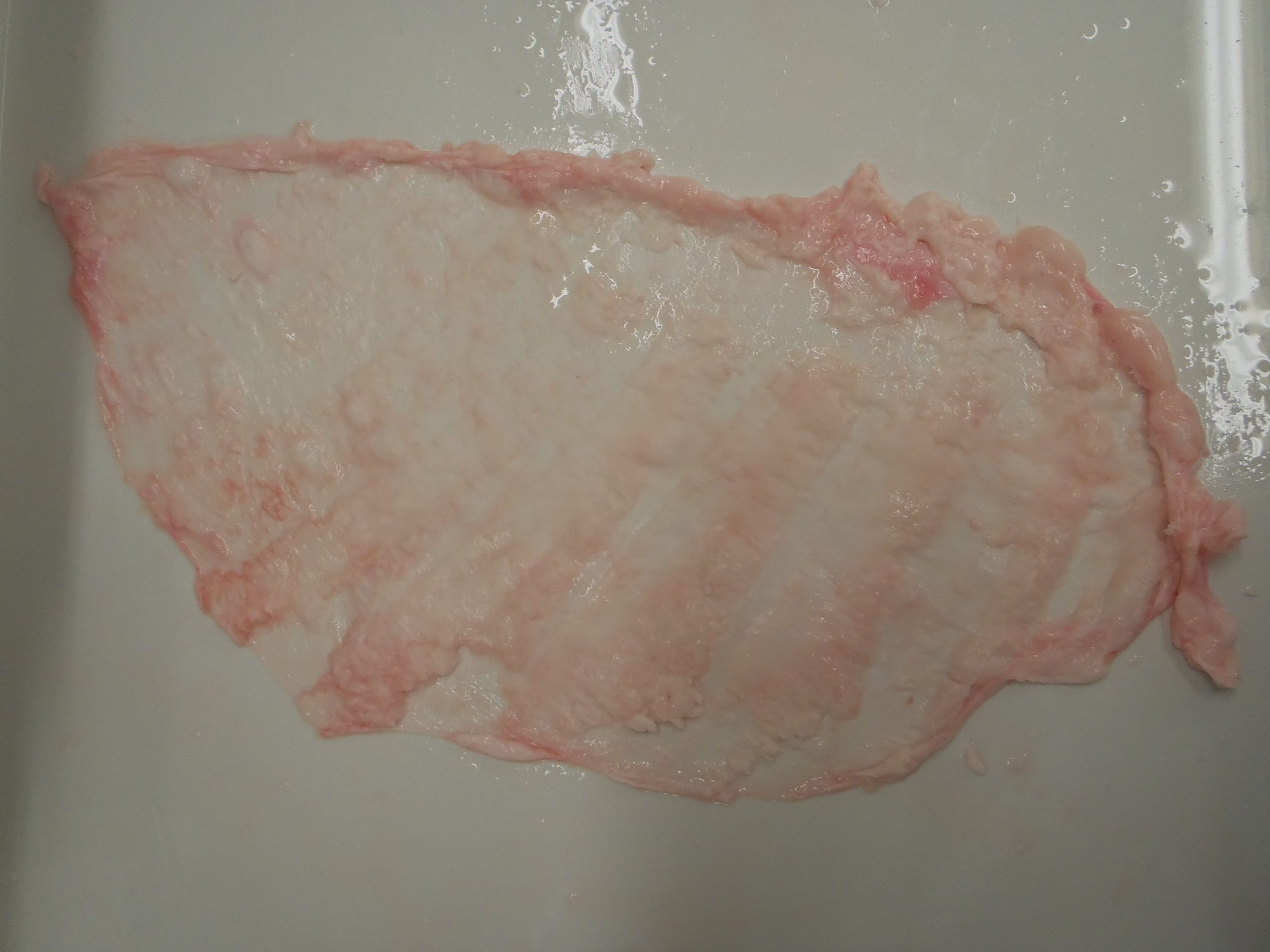
Pleura
A double-layered protective lining that surrounds the lungs and lines the chest cavity, enabling smooth respiratory movements through lubrication.
Trachea
The cartilaginous tube connecting the larynx to the bronchi, maintaining an open airway to the lungs during breathing. Commonly used in airway device testing and intubation training.



Respiratory Tissue Research Applications
Medical Device Testing
Porcine respiratory tissues provide anatomically similar models for testing bronchoscopes, stents, endotracheal tubes, and ventilation equipment. The structural similarity between porcine and human respiratory systems makes these tissues ideal for pre-clinical validation.
Pharmaceutical Research
Researchers use nasal epithelium for drug absorption studies, lung tissue for inhalation therapy development, and tracheal specimens for airway pharmacology testing.
Academic Training
Medical and veterinary schools utilize these tissues for anatomy education, surgical technique practice, and respiratory physiology demonstrations.
Our Processing and Quality Standards
Every tissue undergoes quality inspection before packaging. Tissues are harvested from USDA-certified facilities
Our standard preparation includes:
- Documented traceability to source animal, if required
- Compliance with ISO 13485 quality management standards
Tissue Source’s Ordering Process
Step 1: Fill out our tissue specification form or reach out directly with details of your required tissues, size and quantity needed, and preservation preferences.
Step 2: We’ll discuss availability and confirm your final order.
Step 3: Tissues are harvested after animal sacrifice and prepared according to your requirements. They are then packaged and shipped to you.
Step 4: Delivery includes everything you need for documentation: harvest date, source traceability, and quality control records.
Partner With Tissue Source
Our porcine respiratory specimens support the validation and testing phases of medical device development, pharmaceutical research, and academic studies. Every tissue sample is traceable to its source animal and processed under strict quality controls.
Whether you need individual tracheal segments for device prototyping or bulk lung tissue for pharmaceutical screening, we provide consistent, documented specimens that meet research standards.
Frequently Asked Questions
What is the difference between porcine and human respiratory anatomy?
Porcine respiratory systems closely mirror human anatomy in size, branching patterns, and tissue structure. The trachea, bronchi, and lung lobes are proportionally similar, making pig tissues ideal for medical device testing and surgical training. Key differences include the accessory lobe in porcine lungs and slightly different lobular divisions, but these variations rarely impact research applications.
Can these tissues be used for implantable device testing?
Yes. Porcine respiratory tissues are commonly used for pre-clinical testing of bronchial stents, aerosol delivery devices, tracheal grafts, and other implantable devices. The tissue thickness, mechanical properties, and vascular structure provide realistic testing conditions before advancing to animal or human trials.
Are respiratory tissues suitable for studying infectious disease?
Yes. Researchers use porcine respiratory tissues to model bacterial and viral infections, test antimicrobial treatments, and study pathogen-host interactions. The nasal epithelium and lung tissue are particularly valuable for influenza, tuberculosis, and pneumonia research due to their structural and functional similarity to human tissues.
How do porcine lungs compare to other animal models for research?
Porcine lungs offer significant advantages over other models. They’re similar in size to human lungs, have comparable lobar structure, and exhibit similar airway branching patterns. Porcine tissues are more readily available, cost-effective, and face fewer ethical restrictions than other models while providing comparable anatomical relevance.